Bat Walk – 9th September 2026 - £2.50
Sorry - Fully booked
As the last light of summer fades behind the hedgerows and the sounds of daytime farm life give way to evening stillness, something remarkable begins. Most visitors know Burscough Community Farm by day – the workshops, the growing beds, the open outdoor spaces. But when darkness falls, an entirely different world takes over the skies above our fields, ponds and woodland edges.
The Night Shift Begins
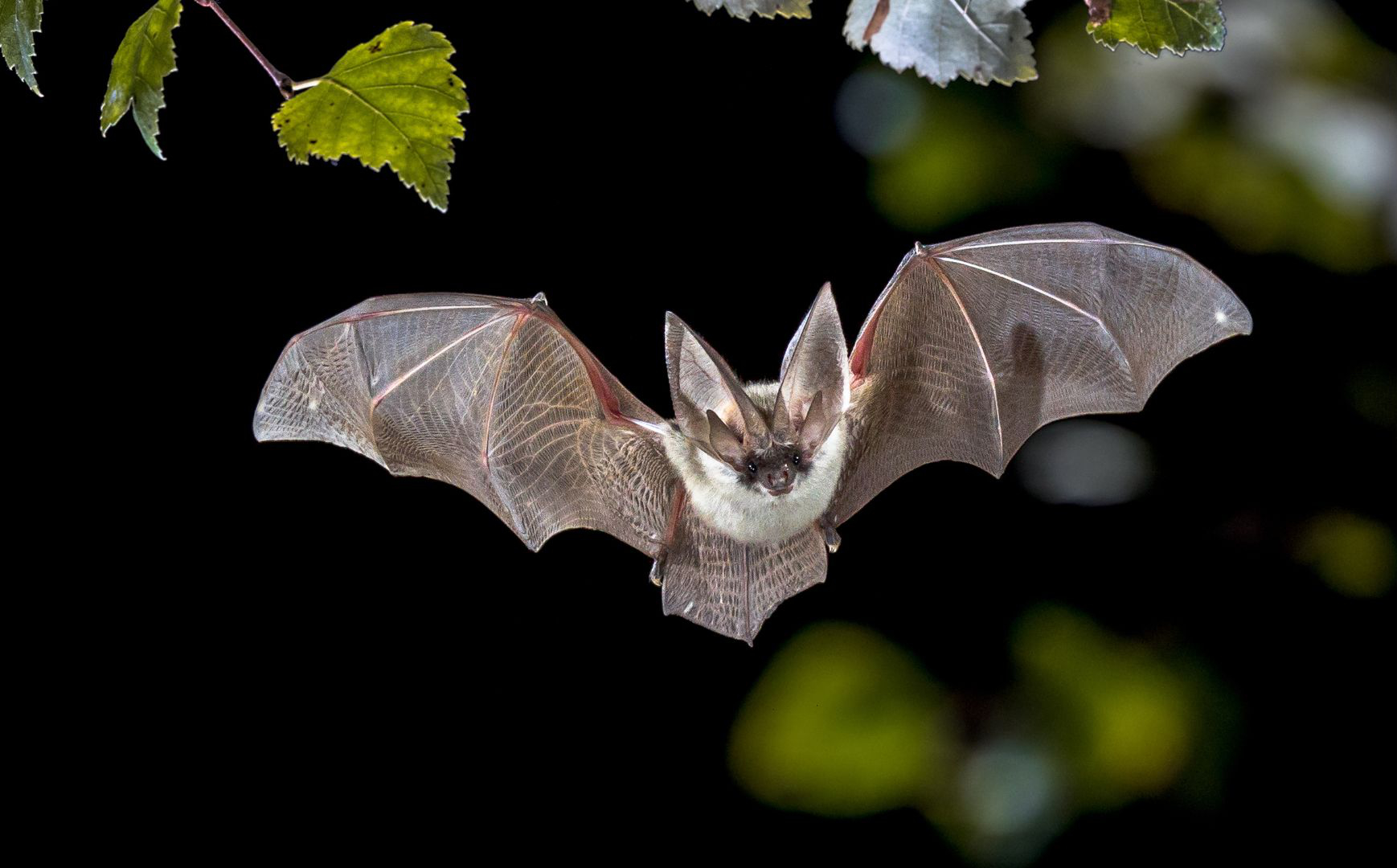
Every evening, as we lock up and head home, our most secretive residents emerge. Bats – the only mammals capable of true flight – have hunted this landscape for thousands of years. They’re aerial acrobats, natural pest controllers and vital cogs in a healthy ecosystem, all at once. A single pipistrelle can catch and eat thousands of insects in one night; multiply that across the dozens of bats working our farm after dark and you begin to see why they matter so much. Worldwide there are over 1,400 species of bat, and here in the UK all of ours are insect eaters, navigating and hunting entirely by echolocation.
Meet Our Nocturnal Neighbours
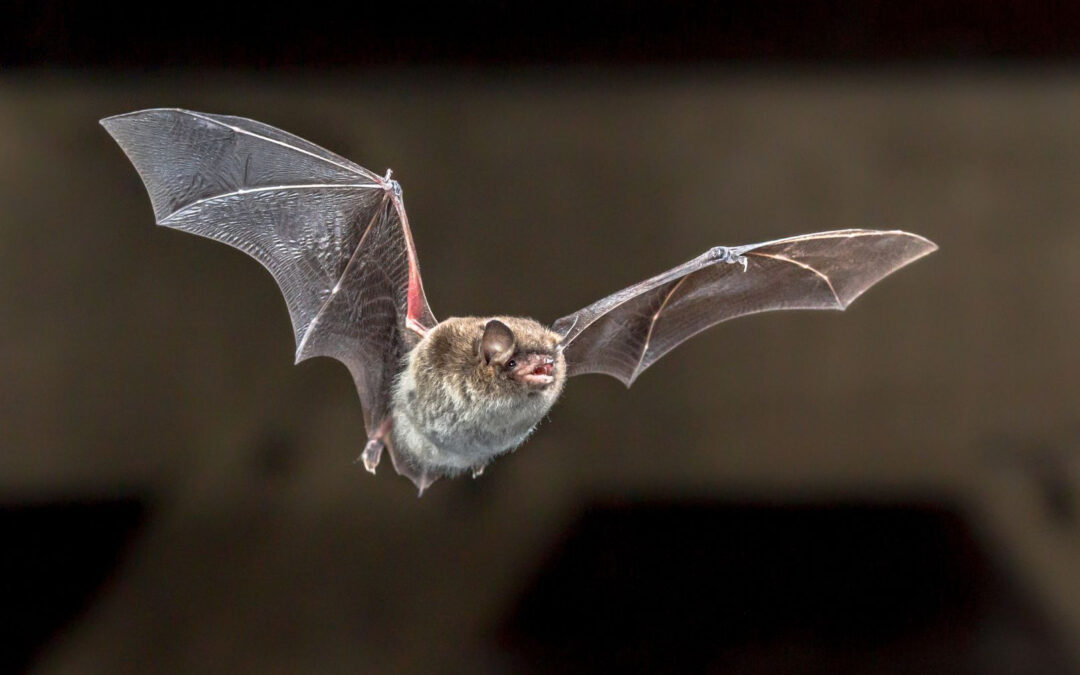
Our mix of open farmland, mature hedgerows, woodland edges and water features makes ideal hunting ground for several Lancashire species. Pipistrelles, our most common residents, weigh no more than a £1 coin yet pull off astonishing aerial manoeuvres chasing moths and midges just after sunset. Noctules are the speed demons – flying high and fast over open grassland, diving for beetles and flying ants. And down by our ponds and along the Ellerbrook, Daubenton’s bats skim the water’s surface with their feet, scooping up insects in what looks like a perfectly choreographed dance.
The UK is home to 18 species of bat across two families – horseshoe bats and vesper bats – each with its own features, habitats and calls.
Step Into Their World
On Wednesday 9th September 2026 at 7:00 pm, wildlife expert Andrew Clark will lead a small group through the farm’s most bat-active areas. This isn’t a lecture – it’s an immersive evening. You’ll use professional bat detectors to eavesdrop on the ultrasonic conversations happening all around you, converting high-frequency echolocation into sounds you can hear and learning to tell species apart by their calls: the rapid-fire chatter of pipistrelles, the distinctive “smack” of a noctule, the rhythmic sweeps of Daubenton’s over the water.
More Than Just Bats
Bats are the stars, but they’re not the only performers. Tawny owls call from the boundary trees; barn owls quarter the grassland on silent wings; if we’re lucky, deer move through the wildflower meadows and moths flutter around our native plants. This biodiversity is no accident – it’s the result of farming in harmony with nature, maintaining wildlife corridors and diverse habitats that give these creatures a home.
A Family Adventure
The walk is accessible for all ages, on mostly flat terrain at a gentle pace, with frequent stops to listen and observe. Afterwards – because Lancashire evenings can carry a chill even in September – we’ll gather indoors for hot drinks and biscuits. It’s often the best part of the night: a chance to share what you’ve seen, put your questions to Andrew, and connect with others who share your curiosity.
Why This Matters
Just minutes from Burscough’s town centre, ancient patterns of predator and prey play out every single night. Every person who comes to appreciate bats becomes an advocate for the habitats they need. By joining us, you’re supporting conservation education and helping our community farm’s mission thrive.
Join Us
- Wednesday 9th September 2026, 7:00 pm
- £2.50 per person (to cover refreshments)
- Suitable for all ages
- Limited spaces
What to bring: sturdy footwear, weather-appropriate clothing, and a torch (red filter preferred). Most of all, your curiosity.
The darkness holds secrets – and we can’t wait to share them. Book your place today and see the farm in a completely new light. Or perhaps we should say, in a completely new darkness.
Sorry - Fully booked